Robotic Shoulder Replacement: A Better Alternative to Traditional Surgery
Introduction :
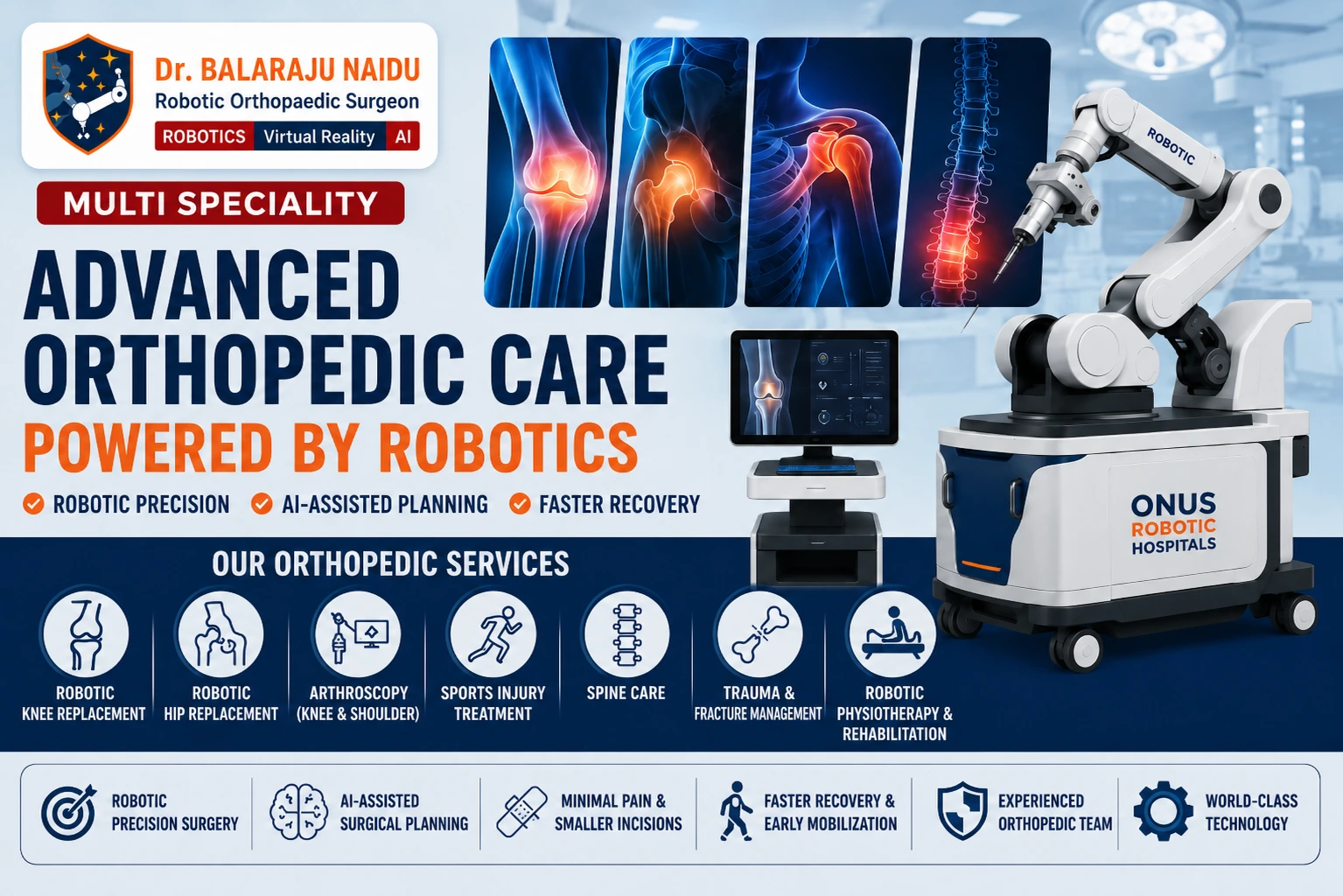
Shoulder replacement surgery is a common procedure for relieving pain and restoring function in patients with severe shoulder joint damage. Traditionally performed manually, recent advancements have introduced robotic-assisted surgery as a more precise option. Robotic shoulder arthroplasty surgery offers improved precision, faster recovery, and potentially better outcomes compared to traditional methods.
What Is Shoulder Replacement Surgery ?
Shoulder replacement surgery, also known as shoulder arthroplasty surgery, is a surgical procedure to replace damaged parts of the shoulder joint with artificial components known as prostheses. It’s typically performed to relieve pain and improve mobility in patients with severe arthritis, rotator cuff tears, or other conditions that have damaged the shoulder joint. The procedure involves removing the damaged bone and cartilage and replacing it with metal or plastic components that mimic the natural movement of the shoulder.
Robotic Shoulder Replacement is Better than Traditional Shoulder Replacement: Why?
Robotic shoulder replacement is better than traditional surgery because it allows for more precise placement of the shoulder implant, which improves joint function. Dr. Balaraju Naidu, the best orthopedic surgeon for shoulder replacement, uses smaller incisions, resulting in less tissue damage and quicker recovery. The advanced technology reduces the risk of complications like infections and implant misalignment. Patients often experience less pain and faster rehabilitation, leading to better overall outcomes and improved quality of life.
Traditional shoulder Replacement Surgery?
Traditional shoulder replacement surgery replaces damaged parts of the shoulder joint with artificial components, usually made of metal or plastic.This procedure is performed through a large incision, requiring manual preparation of bone surfaces and implant placement by the surgeon. It’s associated with longer recovery times, higher risks of complications like infection or dislocation, and variable surgical outcomes based on surgeon skill and technique.
Limitations of Traditional Surgery :
While traditional shoulder arthroplasty surgery is effective, it has some limitations:
- Accuracy: The accuracy of implant placement can fluctuate based on the surgeon’s level of expertise and experience.
- Recovery: Recovery may take longer because the procedure is invasive and could potentially harm nearby tissues.
- Outcome Variability: Results can vary based on the individual surgeon’s technique and the patient’s body structure.
Robotic Shoulder Replacement Surgery ?
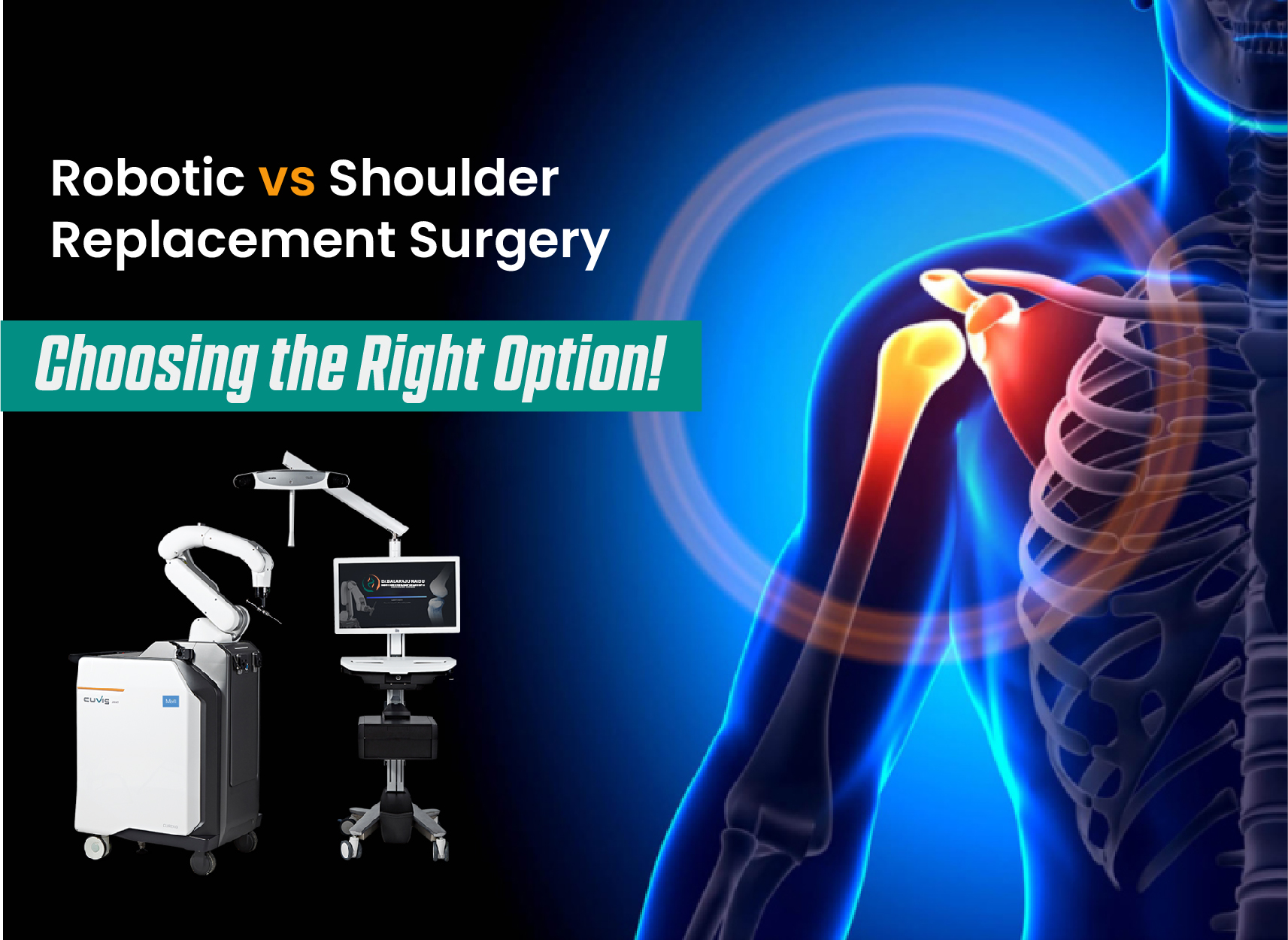
Shoulder replacement uses a robotic system to help surgeons replace damaged shoulder joints with artificial ones. It helps them place the new joint accurately, which can lead to quicker recovery. Compared to traditional surgery, the best hospital for shoulder replacement in hyderabad ensures superior outcomes and patient care.
Advanced technology improves surgical outcomes. Here’s how it differs from traditional surgery under the guidance of Dr. Balaraju Naidu, one of the best shoulder replacement surgeons.
1. Preoperative Planning:
- Traditional: Surgeons use X-rays and 2D imaging for planning.
- Robotic: Advanced 3D imaging and CT scans create a detailed virtual model of the patient’s shoulder, helping surgeons plan the surgery by accurately determining the size, placement, and alignment of implants beforehand.
2. Surgical Approach:
- Traditional: Surgeons use their hands and judgment to perform the surgery manually.
- Robotic: The surgeon uses a robotic arm guided by real-time imaging to perform surgery with very precise movements. This makes the surgery more accurate and allows for less damage to surrounding tissues.
3. Bone Preparation and Implant Placement:
- Traditional: Surgeons use their hands to prepare the bone surfaces and put in the implants.
- Robotic: The robotic arm helps the surgeon prepare the bone surfaces and accurately place the implants as planned before surgery. This ensures that the implants are aligned and stable.
4. Minimally Invasive:
- Traditional: Requires a larger incision to allow the surgeon to see and work by hand.
- Robotic: Often can be done with smaller, more exact cuts, which reduce damage to nearby tissues and may help you recover faster.
5. Feedback and Control:
- Traditional: Surgeons rely on visual and tactile feedback during surgery.
- Robotic: The robotic system gives the surgeon instant data and touch feedback, helping them make adjustments to ensure the plan is followed precisely.
6. Postoperative Care and Recovery:
- Traditional: Longer recovery times due to the more invasive nature of the procedure.
- Robotic: Patients might spend less time in the hospital, have less pain, and recover faster because the surgery is less invasive
Benefits of Robotic Shoulder Replacement :
- Precision: Using robots helps place implants precisely, improving how joints work and how long they last.
- Minimally Invasive: Smaller incisions can reduce pain, risk of infection, and recovery time compared to traditional surgery.
- Customization: Advanced imaging and planning tools help create personalized treatment plans based on each patient’s unique body shape and structure.
- Quality of Life: Improved accuracy and quicker recovery can lead to improved quality of life and faster return to normal activities.
When is Robotic Shoulder Replacement Recommended?
Robotic Shoulder Replacement is particularly beneficial for patients with complex shoulder issues that require a high degree of precision. The robotic system provides real-time data and accurate control, which minimizes tissue damage and promotes faster recovery. It is recommended by the best shoulder replacement experts for :
- Severe Arthritis: When the shoulder joint is severely damaged by arthritis, and other treatments have failed to provide relief.
- Complex Fractures: In cases of complicated shoulder fractures that are difficult to repair with traditional methods.
- Revisions: For patients needing revision surgery due to previous implant failure or complications.
- Rotator Cuff Tear Arthropathy: When there is significant damage to the rotator cuff along with arthritis.
Recovery & Rehabilitation of Robotic Shoulder Replacement Surgery:
Here are the recovery and rehabilitation considerations for robotic shoulder replacement , each summarized in a concise sentence:
- Patients typically experience a faster recovery period, returning to daily activities sooner.
- Smaller incisions and precise implant placement often result in less postoperative pain.
- A structured physical therapy program is essential to regain shoulder strength .
- The advanced technology reduces the risk of complications, leading to a smoother recovery process.
Rehabilitation:
- Physical therapy is crucial for restoring shoulder strength and range of motion post-surgery.
- Patients are encouraged to follow a structured rehabilitation program to optimize recovery.
- Early mobilization helps prevent stiffness and improves joint function.
- Pain management strategies are employed to facilitate rehabilitation exercises.
- Patient education on post-operative care and lifestyle adjustments is essential for long-term recovery.
Risks and Complications :
Robotic shoulder replacement surgery, while highly advanced, carries some risks. These include potential infection, nerve or blood vessel damage, and implant misalignment, even with the precision offered by the best shoulder replacement specialist. Despite these risks, the procedure’s benefits often outweigh the drawbacks, leading to better patient outcomes and satisfaction.
Conclusion :
Dr. Balaraju Naidu specializes in the shoulder replacement specialist , providing precise implant placement and enhanced surgical planning. This advanced approach offers significant benefits over traditional methods, setting new standards in patient care, especially for Best Shoulder Joint Replacement Treatment in Champapet, Hyderabad. As robotic-assisted procedures become more common, they promise better outcomes and quicker recovery. Patients considering shoulder replacement should discuss robotic-assisted surgery with their orthopedic specialist for optimal results.