Knee Pain After 50: Why It Happens and How to Prevent Joint Damage- By Dr. Balaraju Naidu, Robotic Orthopedic Surgeon, ONUS Robotic Hospitals
Understanding the Real Reasons Behind Knee Pain in Aging Adults
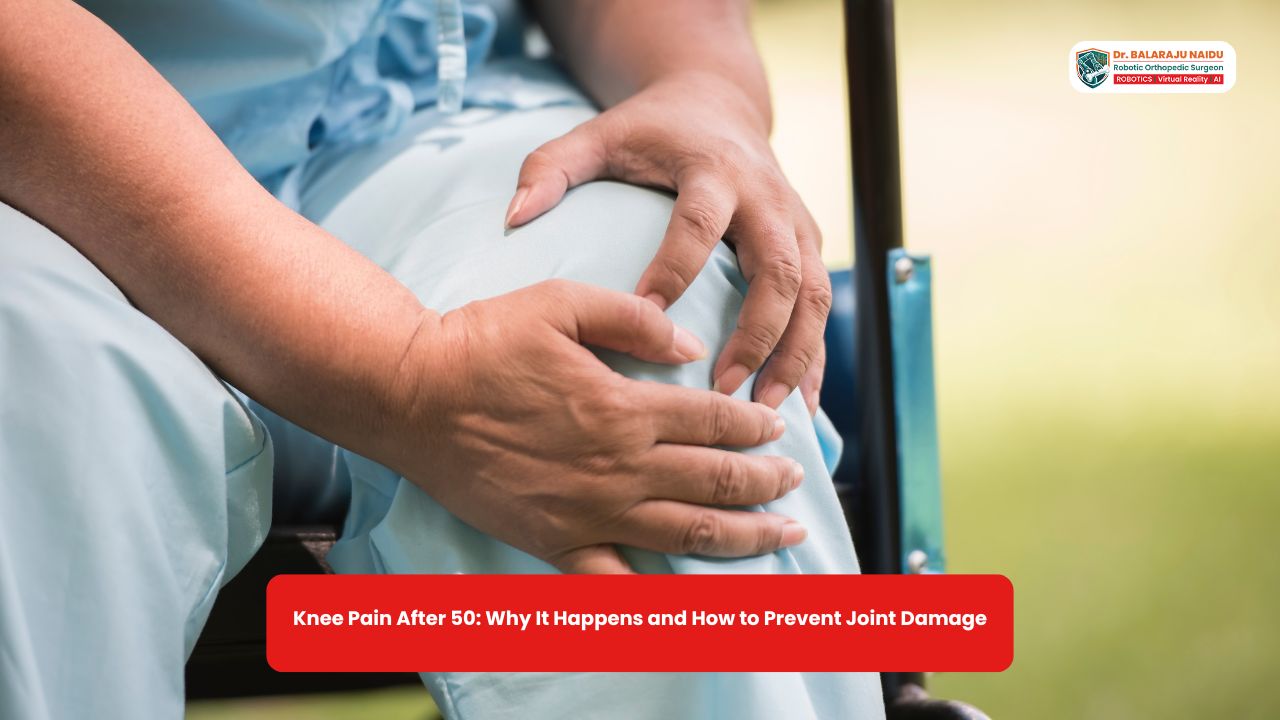
Have you crossed 50 and started experiencing knee pain while walking, climbing stairs, or getting up from a chair?
You are not alone—but ignoring it can lead to long-term joint damage.
One of the most common causes is Knee Osteoarthritis, a condition that naturally increases with age but can be managed effectively with early care.
For hospitals like ONUS Robotic Hospitals, this is one of the highest-volume conditions seen in patients above 50—especially those with sedentary lifestyles, obesity, or previous injuries.
Why Knee Pain Increases After 50
As we age, natural changes occur in the knee joint.
These include:
- Cartilage wear
- Reduced joint lubrication
- Muscle weakness
- Reduced flexibility
- Bone density changes
Over time, these changes increase friction inside the joint, causing pain and stiffness.
The Role of Cartilage in Knee Health
Cartilage acts as a cushion between bones.
With aging:
- Cartilage becomes thinner
- Joint lubrication decreases
- Friction increases
- Pain develops
This process leads to:
Degenerative joint disease
Common Causes of Knee Pain After 50
1) Osteoarthritis (Most Common Cause)
This condition develops gradually due to wear and tear.
Symptoms include:
- Knee pain during movement
- Morning stiffness
- Swelling
- Reduced mobility
It is the leading cause of knee pain in older adults.
2) Reduced Joint Lubrication
Joint fluid decreases with age.
This causes:
- Increased friction
- Joint stiffness
- Pain during movement
3) Muscle Weakness
Weak muscles reduce knee support.
Especially:
- Quadriceps weakness
- Hamstring weakness
This increases pressure on the joint.
4) Obesity or Weight Gain
Extra body weight increases stress on the knee.
Important fact:
Every 1 kg weight gain adds 3–4 kg pressure on the knee
5) Previous Knee Injuries
Old injuries increase risk.
Examples:
- Ligament injury
- Meniscus tear
- Fracture
- Sports injury
Early Warning Signs You Should Not Ignore
Watch for:
- Knee pain while walking
- Pain climbing stairs
- Difficulty sitting or standing
- Knee stiffness
- Swelling around the knee
- Grinding sensation
These are early signs of joint degeneration.
Risk Factors for Knee Pain After 50
Higher risk groups include:
- People above 50 years
- Overweight individuals
- Sedentary lifestyle
- Previous joint injury
- Family history of arthritis
- Women after menopause
How Knee Pain Is Diagnosed
Doctors typically use:
Clinical Examination
Assessment includes:
- Joint movement
- Pain location
- Swelling
- Muscle strength
Imaging Tests
Common tests include:
- X-ray
- MRI
- CT scan
X-ray is usually the first step to confirm arthritis.
Treatment Options for Knee Pain After 50
Most patients can manage symptoms without surgery.
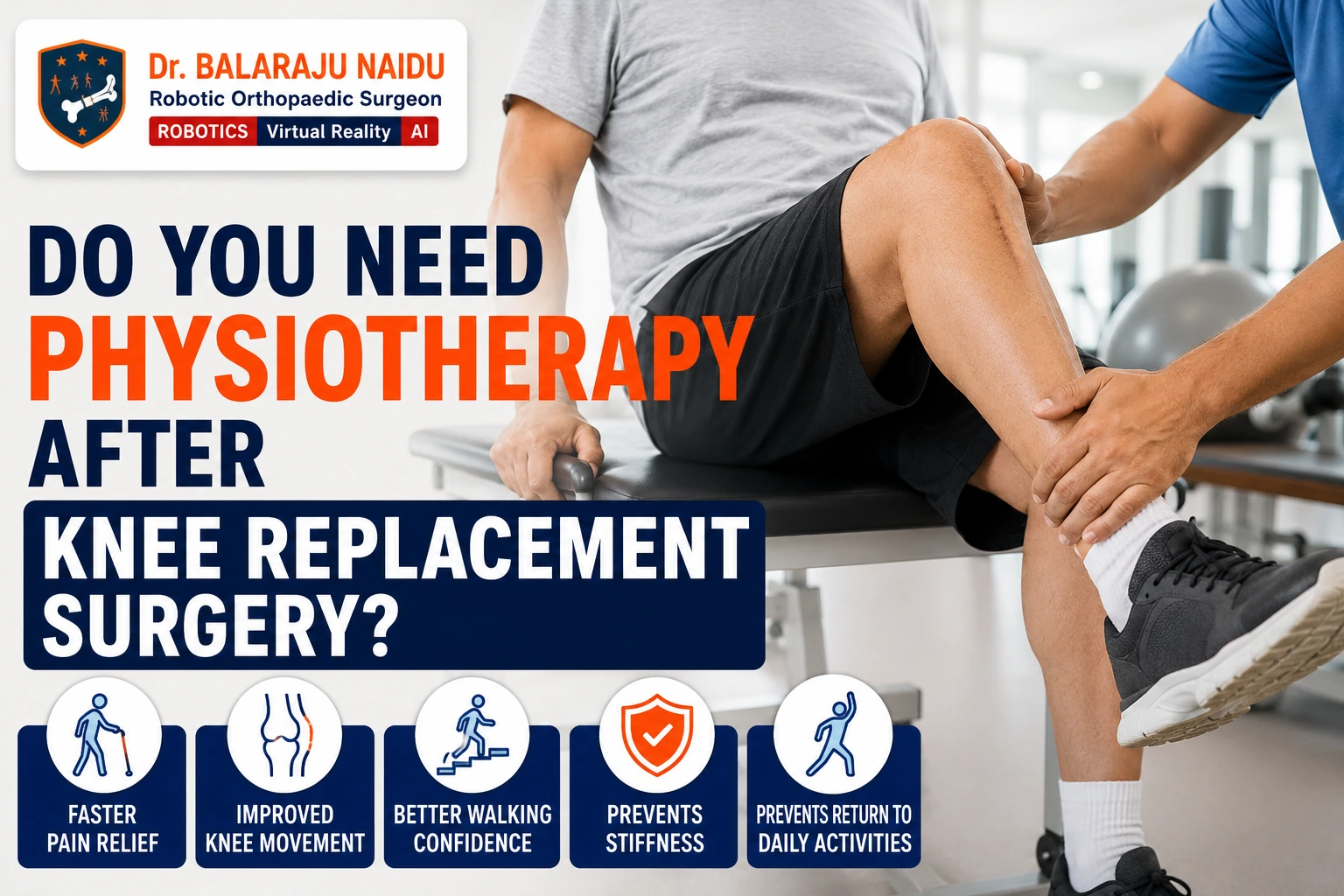
1) Exercise and Physiotherapy
This is the most effective first-line treatment.
Benefits:
- Strengthens muscles
- Improves flexibility
- Reduces pain
- Prevents progression
2) Weight Control
Weight reduction reduces knee stress.
Even small weight loss improves symptoms.
3) Medications
Doctors may prescribe:
- Pain relievers
- Anti-inflammatory drugs
- Joint supplements
These help control symptoms.
4) Joint Injections
Used when pain persists.
Examples:
- Lubrication injections
- PRP therapy
These improve joint function.
5) Advanced Treatments (If Needed)
For severe arthritis:
- Arthroscopy
- Partial knee replacement
- Total knee replacement
Modern techniques like robotic knee replacement provide:
- Better precision
- Faster recovery
- Improved long-term outcomes
This aligns with your hospital’s positioning as a robotic orthopedic center, where early-stage management reduces unnecessary surgeries and improves OP-to-procedure conversion—a key operational focus you’ve been working on.
Prevention Tips for Healthy Knees After 50
You can protect your joints by:
- Staying physically active
- Maintaining healthy weight
- Strengthening leg muscles
- Wearing supportive footwear
- Avoiding prolonged sitting
- Doing regular stretching
Prevention delays joint degeneration.
When Should You See an Orthopedic Specialist?
Consult a doctor if:
- Knee pain lasts more than 2 weeks
- Pain interferes with daily activities
- Swelling develops
- Movement becomes difficult
- Pain worsens over time
Early treatment can delay or avoid surgery.
Final Takeaway
Knee pain after 50 is:
✔ Common
✔ Manageable
✔ Preventable
The key message:
Early care protects your joints and reduces the need for surgery later.
For Appointments:
Dr. Balaraju Naidu, Robotic Orthopedic Surgeon
ONUS Robotic Hospitals – Hyderabad
👉 link: contact-us or book-appointment