

Robotic Hip Replacement Surgery
Robotic Hip Replacement Surgery
Overview
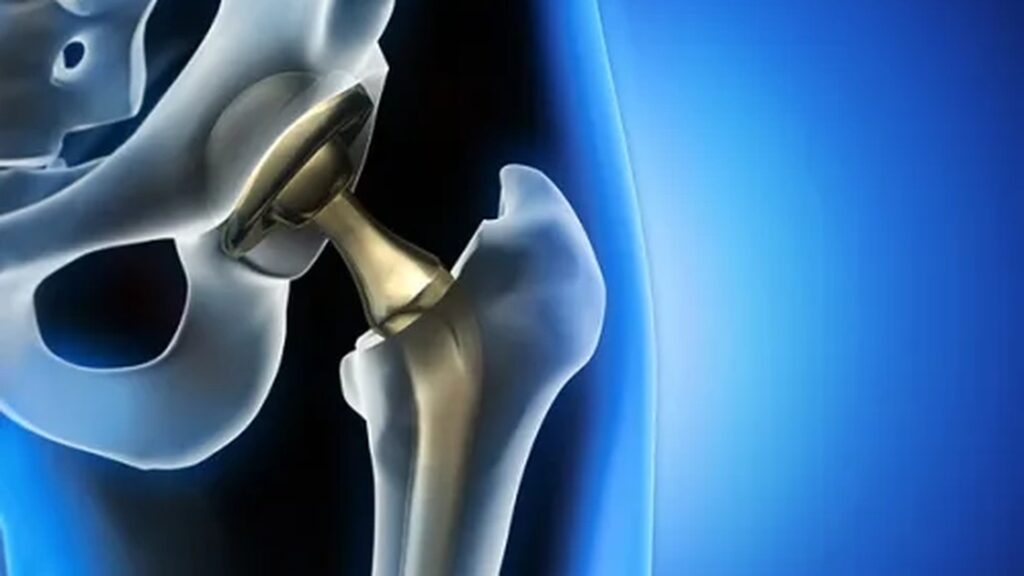
Robotic Hip Replacement Surgery is a next-generation, AI-assisted joint replacement that enhances surgical accuracy, restores natural hip biomechanics, and improves long-term implant survival. Using advanced robotic planning and real-time intraoperative guidance, the procedure enables precise cup positioning, optimal leg-length restoration, and improved joint stability—key factors that define successful hip replacement outcomes.
Under the care of Dr. Balaraju Naidu, robotic hip replacement is tailored to each patient’s anatomy and lifestyle needs, delivering predictable results with faster recovery and reduced complications.
What Is Robotic Hip Replacement?
In robotic hip replacement, a computer-guided robotic system assists the surgeon throughout the procedure. The robot does not operate independently; it supports the surgeon by:
Creating a 3D virtual model of the patient’s hip
Allowing preoperative planning of implant size, orientation, and leg length
Providing real-time feedback during surgery
Guiding accurate acetabular cup placement
Protecting surrounding muscles and soft tissues
This precision significantly lowers the risk of common issues such as dislocation, leg-length discrepancy, and abnormal wear.
Who Needs Robotic Hip Replacement?
Indications
Robotic hip replacement is recommended for patients with:
Hip osteoarthritis
Avascular necrosis (AVN) of the hip
Rheumatoid or inflammatory arthritis
Severe hip pain limiting walking or daily activities
Stiffness and reduced hip motion
Failed conservative treatment (medications, injections, physiotherapy)
Deformities or complex hip anatomy
Previous hip surgery with persistent pain
It is especially beneficial for young, active patients and those requiring high functional accuracy.
Key Benefits of Robotic Hip Replacement
✅ Highly accurate cup positioning
✅ Reduced risk of hip dislocation
✅ Better leg-length equality
✅ Improved joint stability and movement
✅ Less muscle damage and blood loss
✅ Faster recovery and rehabilitation
✅ Longer implant lifespan
✅ Higher patient satisfaction
Clinical evidence shows that precise component positioning is one of the most critical factors for long-term hip replacement success.
Surgical Expertise of Dr. Balaraju Naidu
With advanced international fellowships in robotic joint replacement, hip arthroplasty, and computer navigation, Dr. Balaraju Naidu brings global best practices to robotic hip replacement in India.
His expertise focuses on:
Personalized preoperative planning
Accurate acetabular cup orientation
Precise restoration of leg length and offset
Minimally invasive muscle-sparing techniques
Managing AVN, deformities, and complex hips
Long-term functional optimization
This ensures consistent outcomes even in technically demanding cases.
Procedure: Step-by-Step
Preoperative Digital Planning
A 3D model of the hip is created to plan implant size, position, and alignment.Robotic-Assisted Surgery
During surgery, the robotic system guides accurate bone preparation and implant placement while the surgeon maintains full control.Implant Placement
The hip socket (cup) and femoral component are positioned with high precision to restore natural biomechanics.Verification & Stability Check
Leg length, hip stability, and range of motion are verified in real time before closure.
Recovery After Robotic Hip Replacement
Standing and walking usually begin within 24 hours
Hospital stay typically 2–3 days
Faster pain relief and muscle recovery
Structured physiotherapy for mobility and strength
Return to routine activities within 3–6 weeks
Long-term improvement in walking comfort and quality of life
Why Choose Robotic Hip Replacement?
Advanced AI-assisted robotic technology
Internationally trained robotic hip surgeon
Reduced complication rates
Faster functional recovery
Precision-driven, patient-specific outcomes