Knee Pain After Injury? It Could Be a PCL or Meniscus Tear- By Dr. Balaraju Naidu, Robotic Orthopedic Surgeon, ONUS Robotic Hospitals
Understanding Symptoms, Diagnosis, and Modern Treatment Options for Knee Injuries
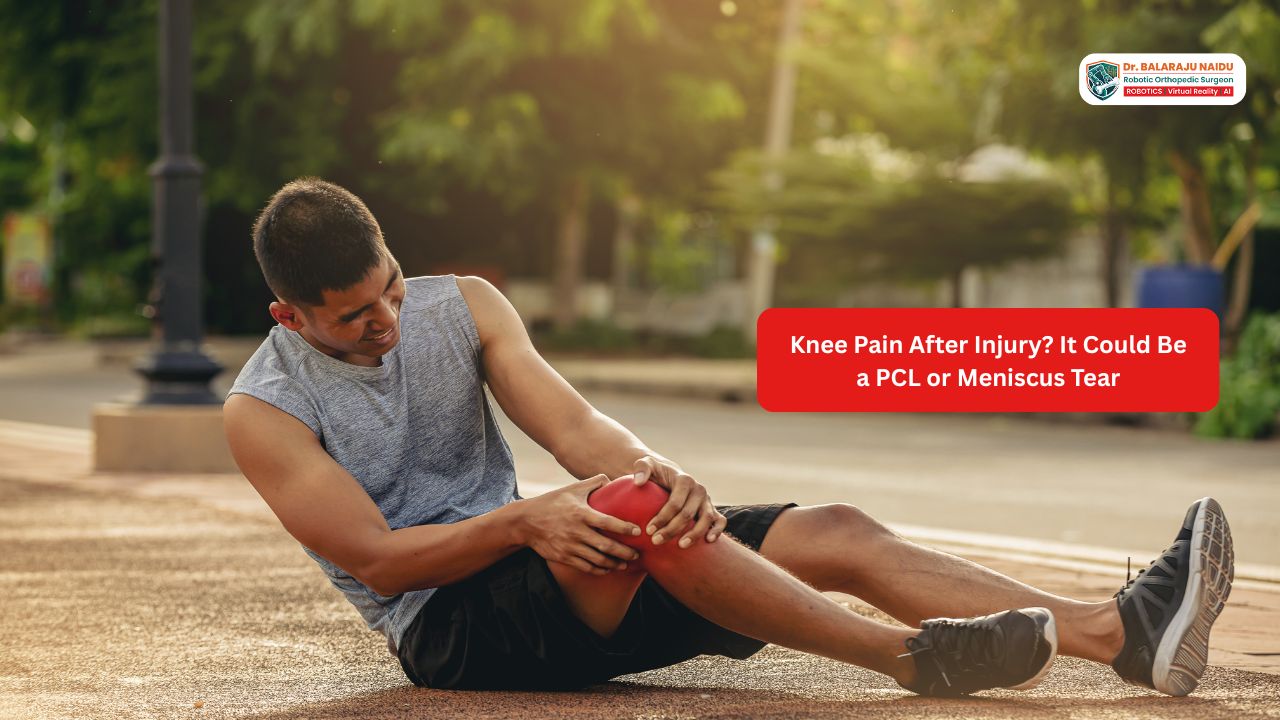
Did you twist your knee, fall during sports, or experience sudden swelling and instability? You may be dealing with a Posterior Cruciate Ligament Injury or a Meniscus Tear — two of the most common knee injuries seen in active individuals and accident victims.
At ONUS Robotic Hospitals, specialists like Dr. Balaraju Naidu use advanced diagnostics, arthroscopy, and robotic-assisted procedures to restore knee stability and help patients return to normal activities faster.
The key message:
Early diagnosis prevents long-term joint damage and reduces the need for major surgery.
What Is a PCL Injury?
The Posterior Cruciate Ligament (PCL) is one of the main ligaments stabilizing the knee joint.
It connects:
- Thigh bone (femur)
- Shin bone (tibia)
The PCL prevents the shin bone from moving backward.
Common Causes of PCL Injury
PCL injuries usually occur due to:
- Road traffic accidents
- Sports injuries
- Sudden twisting of the knee
- Falling on a bent knee
- Direct impact to the front of the knee
These injuries are common in:
- Athletes
- Bike riders
- Active adults
What Is a Meniscus Tear?
The meniscus is a C-shaped cartilage that acts as a shock absorber inside the knee.
Each knee has:
- Medial meniscus
- Lateral meniscus
A tear occurs when this cartilage is damaged due to twisting or impact.
Common Causes of Meniscus Tear
- Sudden twisting movement
- Sports injuries
- Squatting or lifting heavy objects
- Aging-related cartilage wear
- Falls or accidents
Symptoms of PCL Injury or Meniscus Tear
Symptoms can vary depending on severity.
Common Warning Signs
- Knee pain
- Swelling
- Instability while walking
- Difficulty bending or straightening the knee
- Locking or clicking sensation
- Pain during sports
- Reduced mobility
These symptoms should never be ignored.
When Should You Be Concerned?
Seek medical attention if you experience:
- Persistent swelling
- Knee instability
- Difficulty walking
- Knee locking
- Severe pain after injury
- Inability to bear weight
These signs may indicate ligament or cartilage damage.
How Are These Injuries Diagnosed?
Accurate diagnosis is essential for proper treatment.
Diagnostic Methods
- Physical examination
- X-ray
- MRI scan
- Arthroscopic evaluation
MRI is the most reliable test to confirm ligament and meniscus injuries.
Treatment Options for PCL and Meniscus Injuries
Treatment depends on the severity of injury.
Non-Surgical Treatment
Many mild injuries can be treated conservatively.
Common Non-Surgical Treatments
- Rest
- Ice therapy
- Knee braces
- Physiotherapy
- Pain medications
- Activity modification
These treatments help reduce swelling and restore strength.
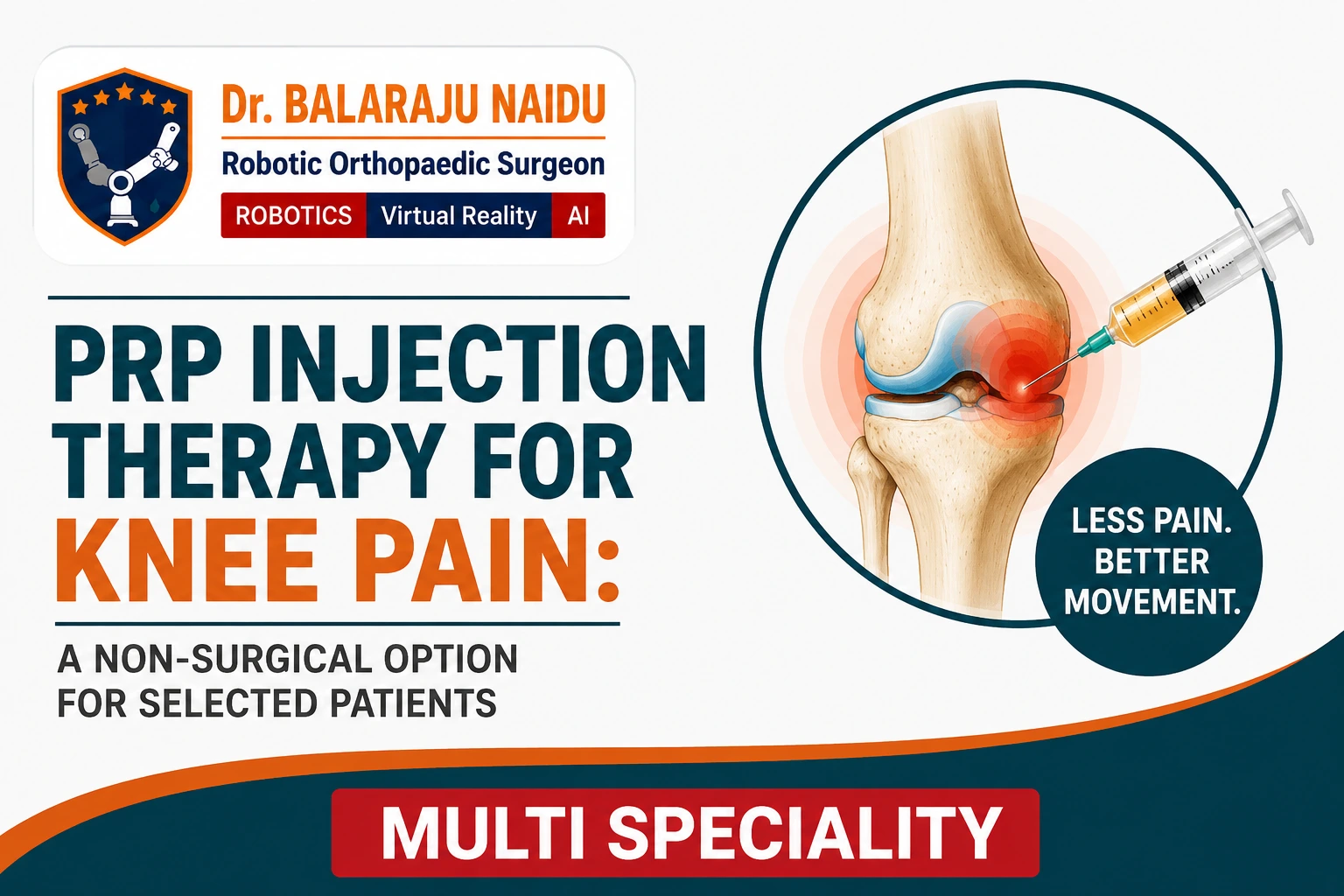
PRP Therapy (Platelet-Rich Plasma)
In selected cases, Platelet-Rich Plasma Therapy can accelerate healing.
Benefits include:
- Faster recovery
- Reduced inflammation
- Improved tissue repair
Arthroscopic Surgery (Minimally Invasive)
If symptoms persist or the tear is severe, Arthroscopy may be recommended.
Benefits:
- Small incisions
- Minimal pain
- Faster recovery
- Less hospital stay
Robotic-Assisted Ligament Reconstruction
Advanced cases may require robotic-assisted surgery.
Benefits:
- High precision
- Better alignment
- Improved outcomes
- Faster rehabilitation
This technology is widely used in modern orthopedic care.
Recovery Timeline
Recovery varies depending on treatment type.
Typical Recovery Duration
Minor injury
2–6 weeks
Meniscus repair
6–12 weeks
Ligament reconstruction
3–6 months
Physiotherapy plays a critical role in recovery.
Prevention Tips for Knee Injuries
Simple precautions can reduce injury risk.
Prevention Strategies
- Warm up before exercise
- Strengthen leg muscles
- Use proper sports techniques
- Avoid sudden twisting movements
- Maintain healthy body weight
- Wear protective gear during sports
These steps protect knee stability.
When Should You See an Orthopedic Specialist?
Consult a doctor immediately if:
- Knee pain lasts more than 1–2 weeks
- Swelling persists
- Knee feels unstable
- Movement becomes difficult
- Pain worsens with activity
Early treatment prevents long-term joint damage.
Final Takeaway
PCL injuries and meniscus tears are common but treatable knee problems.
Remember:
Ignoring knee pain after injury can lead to permanent damage.
Early diagnosis can:
- Restore knee stability
- Reduce pain
- Prevent arthritis
- Avoid major surgery
For Appointments:
Dr. Balaraju Naidu, Robotic Orthopedic Surgeon
ONUS Robotic Hospitals – Hyderabad